
Should You Buy a Fixer-Upper in Albuquerque?
Should You Buy a Fixer-Upper in Albuquerque?
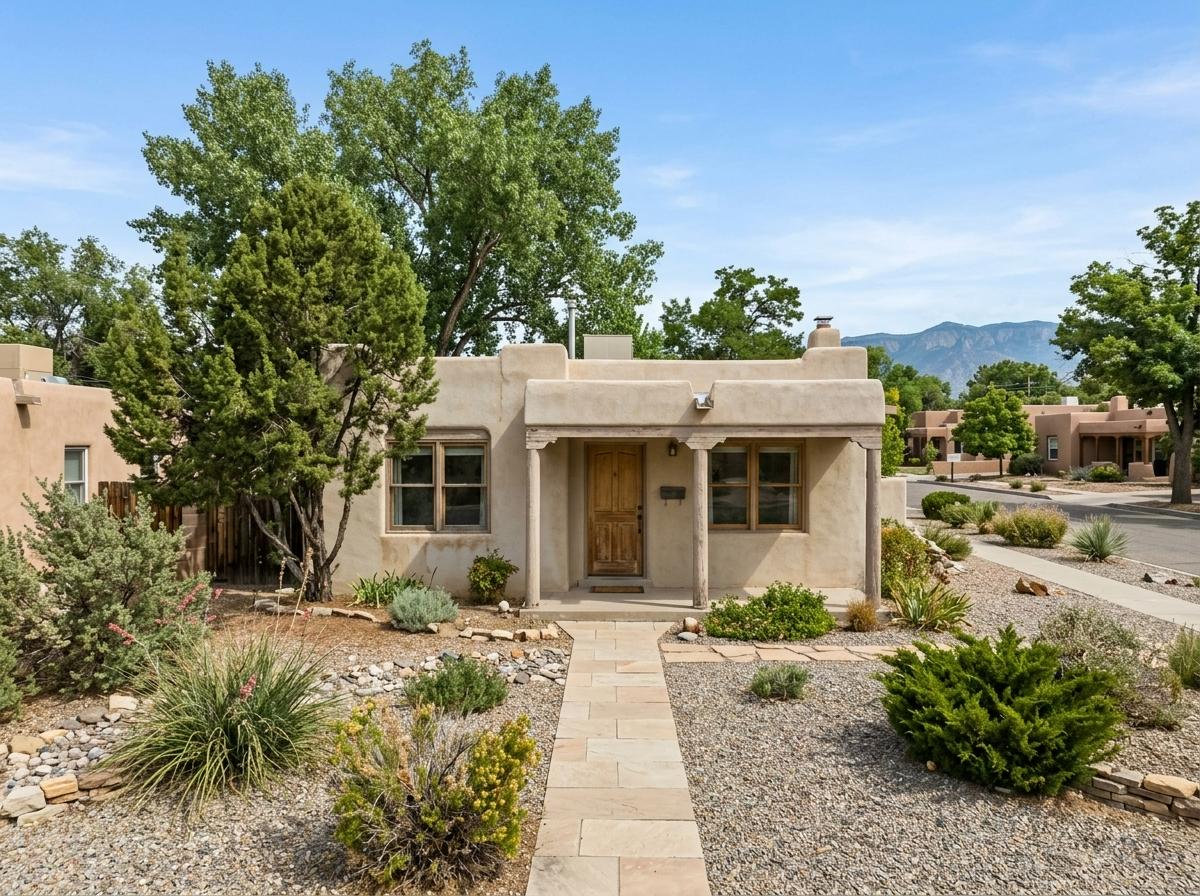
That house may not have the newest kitchen. The floors might need some attention. Maybe the paint is dated, the backyard needs work, and you can already picture a long weekend—or several—spent making improvements.
But sometimes, that’s exactly where the opportunity is.
For buyers searching for Albuquerque homes, a fixer-upper can provide the chance to purchase a property in a desirable location and gradually transform it into a home that feels uniquely yours. The catch? Buying a home that needs work requires more than a vision board and a list of renovation ideas. You also need a realistic understanding of the property's condition, your budget, and how much time you're willing to invest.
So, could a fixer-upper be the right fit for you?
Look Beyond the Cosmetics

Not every fixer-upper is a major renovation project.
Some homes simply need cosmetic updates such as fresh paint, new flooring, updated fixtures, landscaping, or other relatively straightforward improvements. Others may require much more extensive work.
Before making an offer, try to separate cosmetic issues from significant property concerns.
A dated kitchen is one thing. A failing roof, foundation concern, outdated electrical system, major plumbing issue, or other substantial repair can be a completely different financial undertaking.
A professional home inspection can help you better understand the property's condition and identify issues that may not be obvious during a showing.
Location Can Be a Major Advantage
One of the biggest reasons buyers consider fixer-uppers is location.
You might find a home in a neighborhood you love where move-in-ready properties are outside your preferred price range. A property that needs updating could provide another way to consider that community.
When evaluating a fixer-upper, look at the neighborhood just as carefully as the house.
Consider nearby amenities, commute times, parks, restaurants, schools, shopping, and the overall character of the area.
After all, you can remodel a kitchen. You can't move the house to a different neighborhood.
Create a Realistic Renovation Budget
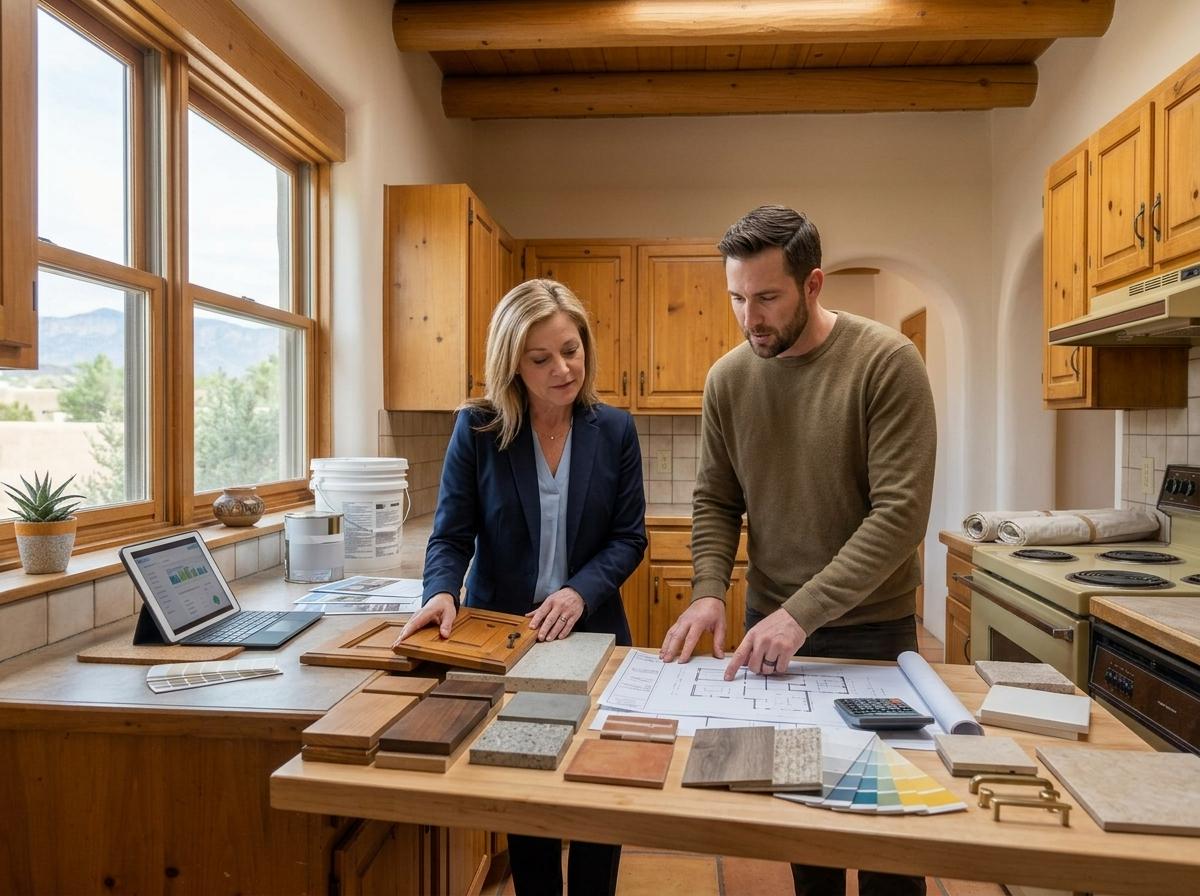
One of the easiest mistakes to make with a fixer-upper is underestimating the cost of the work.
Start by creating a detailed list of the improvements you expect to make. When appropriate, get estimates from qualified contractors and research the cost of materials, labor, permits, and other project-related expenses.
Then leave room in your budget for surprises.
Renovation projects have a way of uncovering additional problems. Opening a wall to address one issue, for example, can reveal another repair that needs attention.
Having financial breathing room can make the renovation process much easier to manage.
Think About Your Time
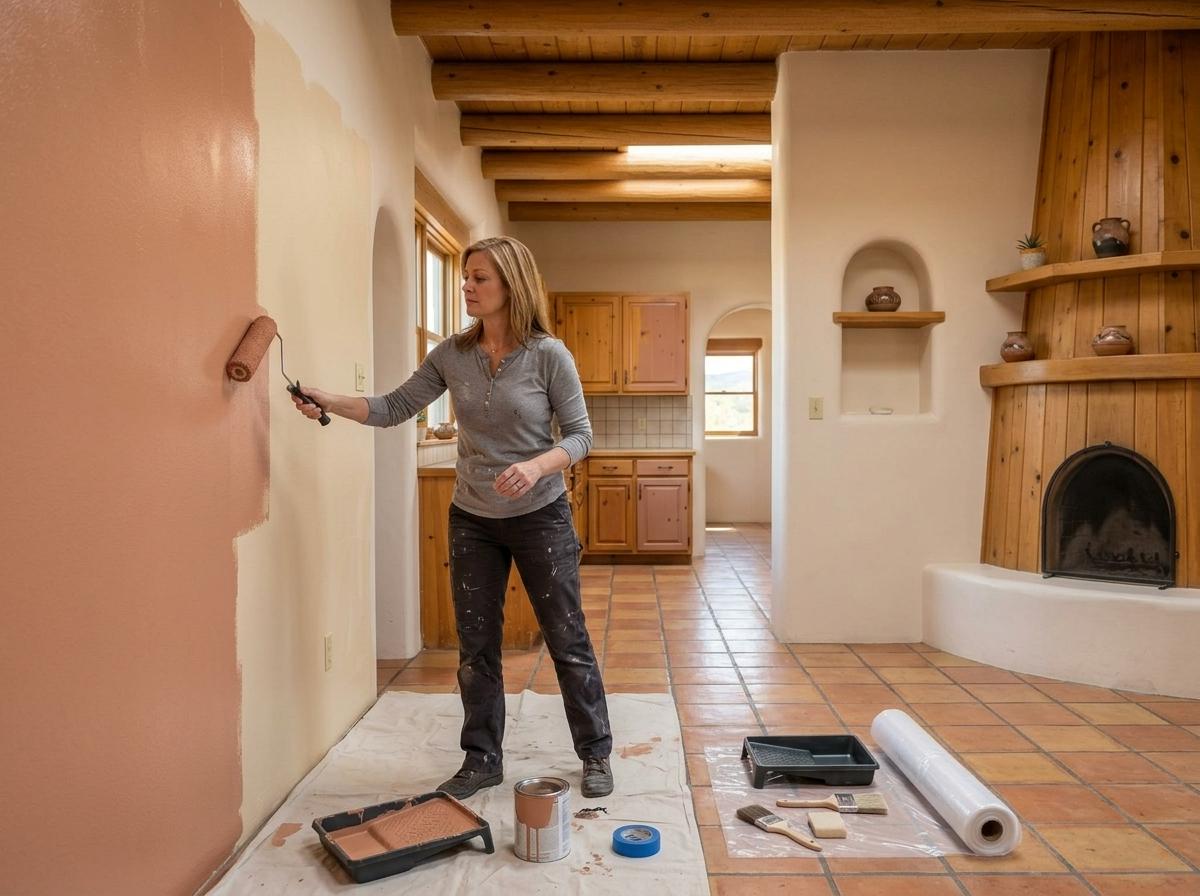
Money isn't the only cost of renovating a home.
There’s also time.
Will you handle some projects yourself? How many weekends can you realistically dedicate to the work? Will you live in the property while renovations are underway?
A project that seems manageable during a home tour can feel very different when you're balancing work, family, and everyday responsibilities.
Be honest about how much time and energy you're willing to invest. A smaller project that you can comfortably manage may ultimately be a better fit than a major renovation that overwhelms your schedule.
Consider the End Goal
Before purchasing a fixer-upper, think about what you want the finished property to become.
Are you planning to make a few updates and move in? Do you want to completely remodel the property? Are you hoping to create a long-term home that grows with your family?
Having a clear vision can help you determine whether a particular property is worth pursuing.
It can also help you prioritize projects instead of trying to tackle everything at once. Sometimes the smartest approach is to address the most important repairs first and save cosmetic improvements for later.
Don't Assume Every Improvement Adds Equal Value
It’s easy to assume that every dollar spent on renovations will automatically increase a home's value.
That isn't necessarily the case.
Some improvements may make the property more appealing to future buyers, while others may primarily reflect your personal tastes. A renovation that makes perfect sense for your lifestyle may not have the same appeal to someone else.
Before taking on major projects, consider the Albuquerque real estate market and what buyers typically value in the neighborhood.
If resale is part of your long-term plan, it can be particularly helpful to understand how the finished property would compare with other homes nearby.
Financing May Require Extra Planning
Purchasing a home that needs substantial work can involve additional financing considerations.
Depending on the property's condition, the scope of the renovations, and your financial circumstances, you may want to discuss potential financing options with a qualified lender before making an offer.
Different loan programs have different requirements, and not every financing option will be appropriate for every property or renovation project.
Understanding your financing possibilities ahead of time can help you establish a realistic purchase-and-renovation budget.
Know When to Walk Away
Not every fixer-upper is a hidden gem.
Sometimes the cost, time, and complexity of the repairs simply don't make sense.
If the numbers don't work, it's okay to keep looking. There are many Albuquerque homes to consider, and the goal isn't simply to find the property with the most potential. It's to find a home that fits your financial situation, lifestyle, and long-term plans.
A good opportunity should make sense based on the actual property—not just the excitement of imagining what it could become.
Work With Local Professionals
A fixer-upper can be an exciting project, but you don't have to figure everything out on your own.
A local REALTOR® can help you evaluate a property's position within the neighborhood and look at comparable homes. A home inspector can identify potential concerns, while qualified contractors can provide insight into renovation costs. A lender can help you understand financing possibilities based on your situation.
Jason L. Jenkins can help you evaluate Albuquerque homes with both the property and the surrounding market in mind.
Final Thoughts
A fixer-upper can offer possibilities that a move-in-ready home may not. You may have more flexibility to create the space you want, and a property needing updates could give you an opportunity to consider a neighborhood that might otherwise be difficult to enter.
But the key is preparation.
Understand the home's condition. Estimate renovation costs realistically. Consider your time commitment. Research your financing options. Most importantly, make sure the numbers work before moving forward.
With the right property, realistic expectations, and thoughtful planning, a fixer-upper can become much more than a renovation project—it can become the home you've envisioned.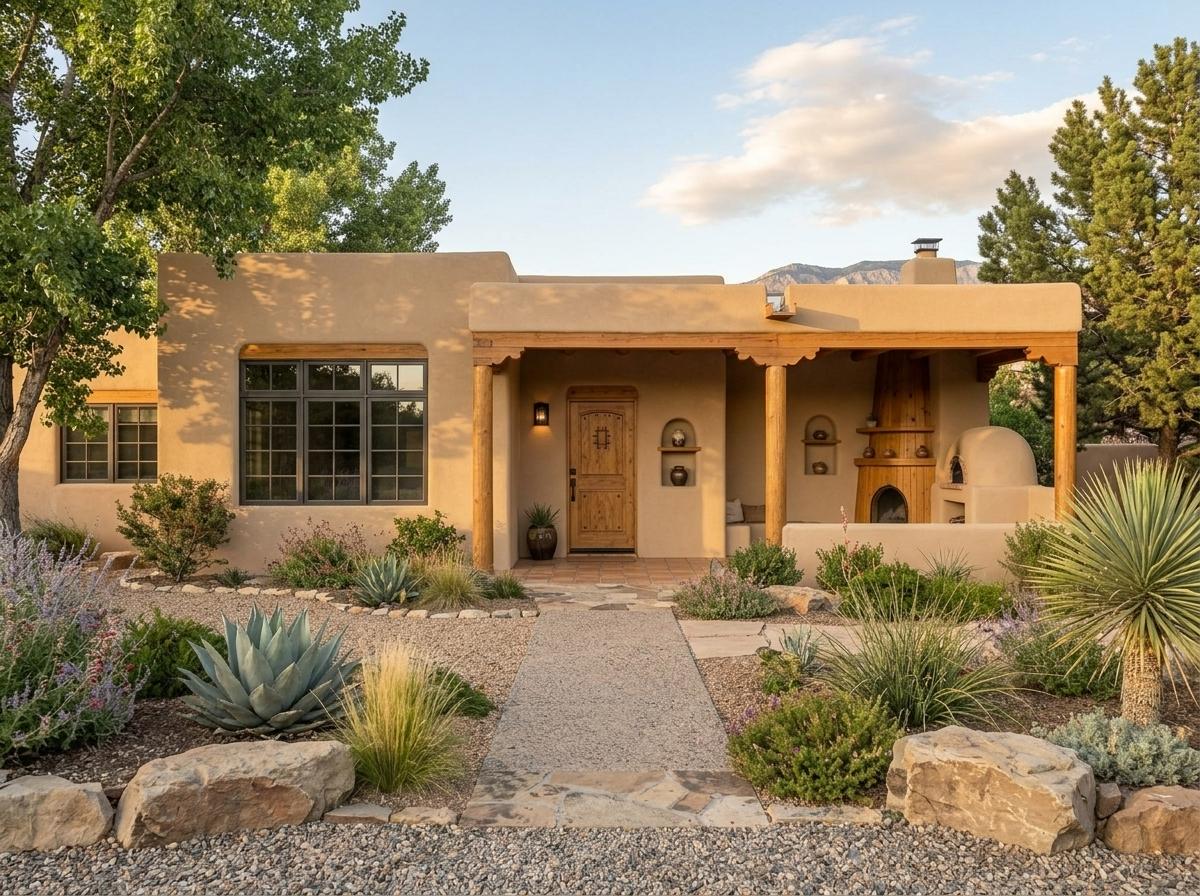
Thinking About Buying an Albuquerque Fixer-Upper?
If you're considering a fixer-upper or simply want to explore your options in the Albuquerque real estate market, Jason L. Jenkins can help you evaluate properties, compare neighborhoods, and navigate the buying process.
When you're ready to start looking, reach out. The right Albuquerque home may not be perfect on day one—it may simply have the right potential for you.
Categories
Recent Posts





"My job is to find and attract mastery-based agents to the office, protect the culture, and make sure everyone is happy! "